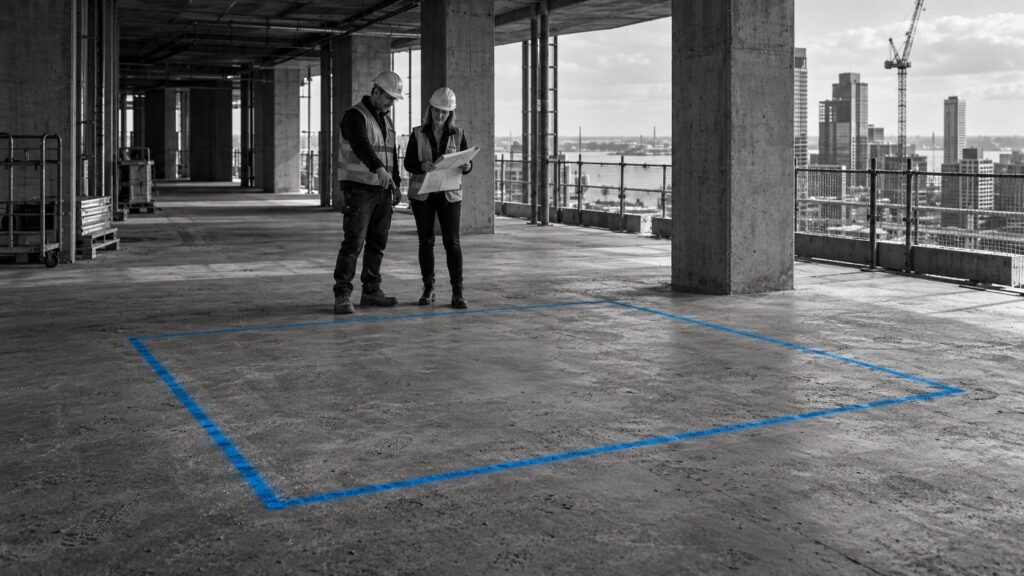
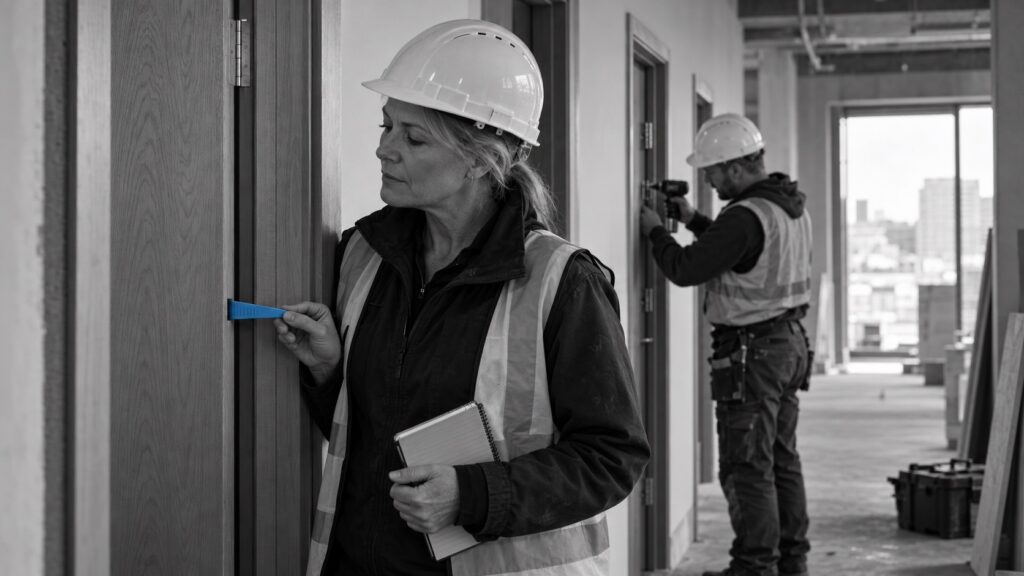
A change on site raises more than a pricing question. The team needs to establish what has changed, who can authorise it and how the instruction affects the work, time and cost.
Start with what has changed
A revised drawing arrives on site. The supervisor needs to keep the work moving, the estimator is asked for a price and the client wants to know whether the change affects completion. Those questions need coordinated answers. Treating the drawing as a pricing exercise alone leaves important parts of the decision unresolved.
The first task is to establish the difference between the work already required and the work now requested. A revision number does not, by itself, establish a variation. Equally, an instruction described as a clarification may change what the contractor has to provide.
Put the relevant documents alongside each other. Identify the requirement being changed, its contractual source and the instruction or event said to have changed it. A short explanation supported by marked-up drawings will often do more to establish the issue than several pages of general correspondence.
Check who can instruct the work
Design coordination, technical acceptance and authority to change the contract are different responsibilities. A consultant may be entitled to explain a design without being entitled to instruct additional work. The team needs to know who can issue the relevant instruction and how it must be communicated.
Internal approval also needs attention. A principal’s funding approval and an instruction to the contractor serve different purposes. Waiting for one should not leave the other unexplained. Where a decision is outstanding, record who is responsible for it, when it is needed and what work is affected.
Do not leave an informal request sitting in a meeting minute while everyone assumes someone else will deal with it. Refer it promptly to the person authorised under the contract and follow the applicable notification procedure.
Obtain a usable quotation
Give the person pricing the change a defined instruction or request, the relevant drawing revisions and the date by which an assessment is needed. Identify what is to be omitted as well as what is to be added. If access or sequence has changed, include that information rather than asking for a price based only on the revised quantities.
Check that the quotation answers the request and identifies assumptions, exclusions and information still awaited. Return specific queries to the right person. A missing supplier price and an unresolved design requirement should not sit under the same unexplained status.
Coordinate the instruction with the work
Before the changed work starts, discuss its release with the supervisor, planner and affected subcontractors. Establish which drawings are current, what can proceed and what remains subject to a decision. Withdraw superseded information through the project’s document-control arrangements.
The planner and commercial team should identify any separate time or cost assessment required and who will prepare it. Keep the variation, extension of time and delay-cost assessments distinct. The NZS 3910 and NZS 3916 requirements are explained in Variations, Time and Delay Costs.
Record the status of each decision
The change register should distinguish instruction, quotation, assessment, agreement and payment. A single entry saying “approved” can leave the site team unsure whether it may start, while accounts assumes the amount is settled.
Record the document and person supporting each decision. If the work has been instructed but its value remains open, say so. If price is agreed but a time submission is outstanding, keep that action visible. The register should show the position without requiring a new reading of the entire correspondence file.
Escalate stalled changes
Review the open changes against the construction programme. Prioritise decisions that will affect procurement, access or the next workfront, not just the largest outstanding values. Identify who must act and when the delay in deciding will affect the work.
Where routine assessment has become a substantive dispute, identify the issue and refer it to the people able to resolve it. Preparing a construction claim deals with the evidence and submission needed at that stage. The day-to-day change process should continue to keep instructions, current documents and delivery decisions aligned.